Commercials for AI products proliferated during this year’s Super Bowl. Anthropic wants you to know they aren’t going to show us ads. Amazon wants you to know Alexa isn’t going to kill you — probably — and that their Ring doorbell can help find lost dogs (I can’t help but notice the conspicuous lack of conversation around lost people). AI.com wants you to know something, I guess? And OpenAI wants you to know “You Can Just Build Things”.
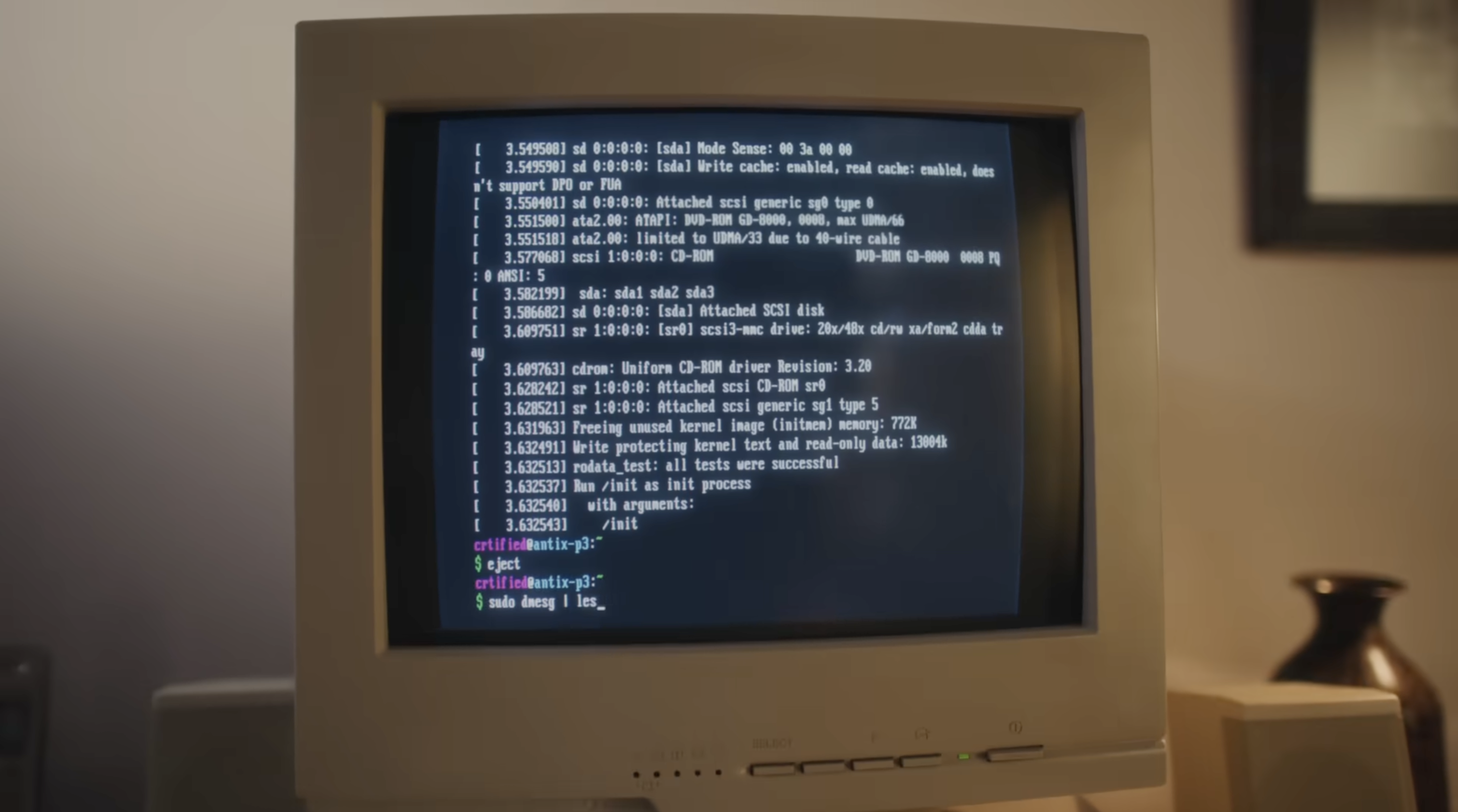
On the surface, OpenAI’s ad for Codex is certainly more inspiring than Genspark’s ridiculous homage to Ferris Bueller, in which Matthew Broderick urges viewers to “take the day off” and just ask their AI to “dial in this spreadsheet” (that’s what I call prompt engineering!). But beneath the millennial-nostalgia-tinged imagery — tinkering with Arduino, learning calculus, playing chess (badly…), installing Linux — and the illustration of real, frustrating work, there’s a message: instead of trying, failing, and learning, why not simply ask ChatGPT to do it for you?
It’s both sad and ironic. OpenAI’s vision for the future is that the very thing they chose to celebrate in their $10 million Super Bowl ad — the messy, experimental process of learning — is made obsolete. But I suppose that’s unsurprising coming from a company whose value was built entirely by stealing the creative works of others.
As a former teacher and current writer living and working in a post-LLM world, I think often about the word “essay,” which comes from the French word essai: to try. In school, we write to learn. In life, we write to communicate, but good writers also write to think. The effort is the point.
You can just make things, but when you outsource the work to AI, you’re not the one building.